Humanity's Last Invention
Artificial intelligence (AI) is the simulation of human intelligence in machines that are programmed to think and learn. The development of AI has been ongoing for decades, with significant advancements made in recent years. Early AI research focused on creating programs that could perform specific operational tasks, such as playing chess or solving mathematical problems. Now with the development of machine learning, we've advance to image recognition, speech recognition, the ability to create art and solve more complex problems.
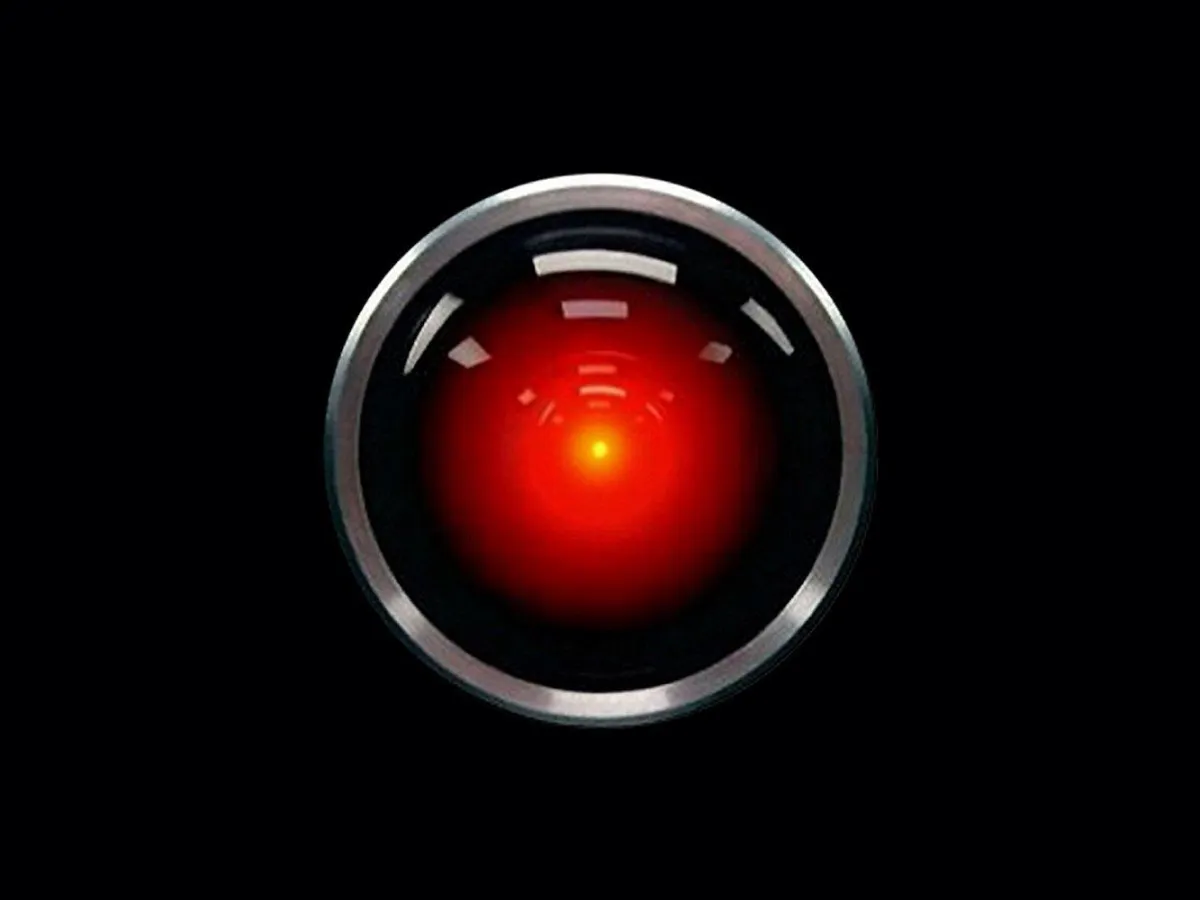
Early AI
(1950s-1960s): The early days of AI research focused on creating programs that could perform specific tasks, such as playing chess or solving mathematical problems. This period saw the development of rule-based systems and expert systems, which were designed to mimic the decision-making processes of human experts.
Connectionist AI
(1980s-1990s): Connectionist AI, also known as neural network AI, marked a shift away from symbolic AI and focused on creating systems that could learn from data. This period saw the development of neural networks and other machine learning techniques, which laid the foundation for current AI research.
Statistical AI
(1990s-2000s): This stage saw the continued development of machine learning techniques, such as support vector machines, decision trees, and random forests, which improved the ability of AI systems to make predictions and classify data.
Deep Learning
(2010s-Present): With the availability of large amounts of data and powerful computing resources, AI researchers have been able to create much more complex neural networks, such as deep learning networks, that can achieve state-of-the-art performance on a wide range of tasks, including image and speech recognition, natural language processing, and autonomous driving.
Birthplace
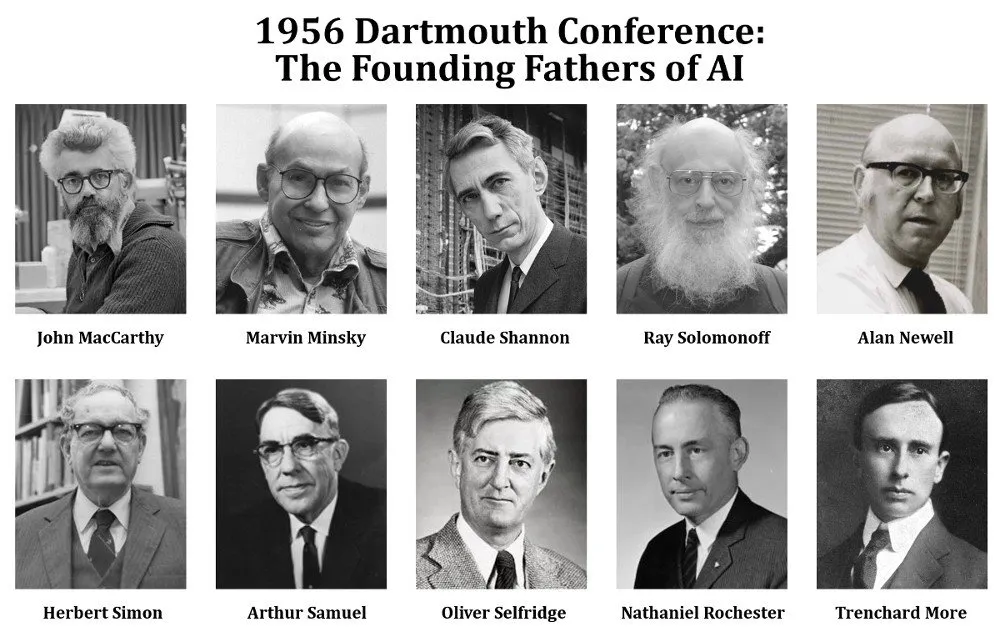
El concepto de inteligencia artificial ha existido durante siglos, con raíces en la mitología antigua y la ciencia ficción. Sin embargo, el campo moderno de la AI tal como lo conocemos hoy comenzó a tomar forma en la década de 1950, con la publicación de una serie de artículos de un grupo de investigadores del Dartmouth College en New Hampshire. La Conferencia de Dartmouth, como se la conoció, marcó el lanzamiento oficial de la IA como campo de estudio.
One of the main motivations for the development of AI was the desire to automate repetitive or tedious tasks, such as data entry or calculation, in order to increase efficiency and reduce the need for human labor. Additionally, AI was seen as a way to create machines that could perform tasks that would be difficult or impossible for humans, such as exploring deep space or analyzing large amounts of data.
Bringing artists back to life?
Pros and Cons
Pros:
Mayor eficiencia: la IA puede automatizar tareas repetitivas o tediosas, como la entrada o el cálculo de datos, aumentando la eficiencia y reduciendo la necesidad de mano de obra humana.
Precisión mejorada: la IA puede analizar grandes cantidades de datos y hacer predicciones o decisiones con un alto grado de precisión, lo que reduce el error humano.
Mejor toma de decisiones: la IA puede ayudar a los tomadores de decisiones a tomar decisiones más informadas y precisas brindándoles información y predicciones que no habrían podido hacer por sí mismos.
Nuevas oportunidades: la IA puede abrir nuevas oportunidades en campos como la medicina, el transporte y las finanzas, lo que da lugar a nuevos productos y servicios que pueden mejorar la vida de las personas.
Cons:
Pérdida de empleo: la IA puede automatizar muchas tareas que actualmente realizan los humanos, lo que lleva a la pérdida de empleo y al desplazamiento económico.
Sesgo: los sistemas de IA pueden perpetuar los sesgos y la discriminación si están entrenados con datos sesgados o si sus algoritmos no están diseñados para ser justos.
Inquietudes sobre la privacidad: la IA puede recopilar, almacenar y analizar grandes cantidades de datos personales, lo que plantea preocupaciones sobre la privacidad y la protección de la información personal.
Inquietudes éticas: la IA plantea una serie de inquietudes éticas, por ejemplo, cómo garantizar que los sistemas de IA sean transparentes y responsables, y cómo garantizar que se utilicen en beneficio de la sociedad en su conjunto.
Preocupaciones de seguridad: los sistemas de IA pueden ser vulnerables a ciberataques e infracciones de seguridad, lo que podría provocar la pérdida de información confidencial o la manipulación del proceso de toma de decisiones del sistema.
Sales Pitch
Are you tired of having to do all the thinking for yourself? Do you ever wish you could just sit back and let a machine do all the heavy lifting? Well, look no further because with the latest and greatest Artificial Intelligence (AI) technology, you can finally have a robot brain to call your own!
Introducing the all-new AI-3000, the smartest machine on the market. With its advanced neural networks, it can learn and adapt to your every need. Whether you need a personal assistant to schedule your appointments or a robot bartender to mix your drinks, the AI-3000 can do it all. Plus, it never complains or takes sick days.
But that's not all, the AI-3000 comes equipped with the latest and greatest in computer vision, so it can recognize your face, your voice and even your moods. It will know when you're happy, sad or just need a hug.
And if you're worried about being replaced by your new robotic friend, don't be! The AI-3000 is programmed to make you look good, so you can finally take all the credit for its impressive work.
So why wait? With the AI-3000, you'll be the smartest one in the room, even if you're the only human in the room. Order now and start living the life of luxury you deserve!
© 2020, Your company name . All rights reserved.